New 20/Dec/2025
Trying to get Greenglow.ltd to install batteries at Pentre Cefn Bach.
Last response was
Please can you send through some photos for our electricians to assess the property and suitability for the batteries.
We will need pictures of:
existing inverter
consumer unit
location of new batteries and inverter
electricity meter
With this information, we can pass over to the installs team!
--------------------
Most of this has been sent by email.
ANSWERS
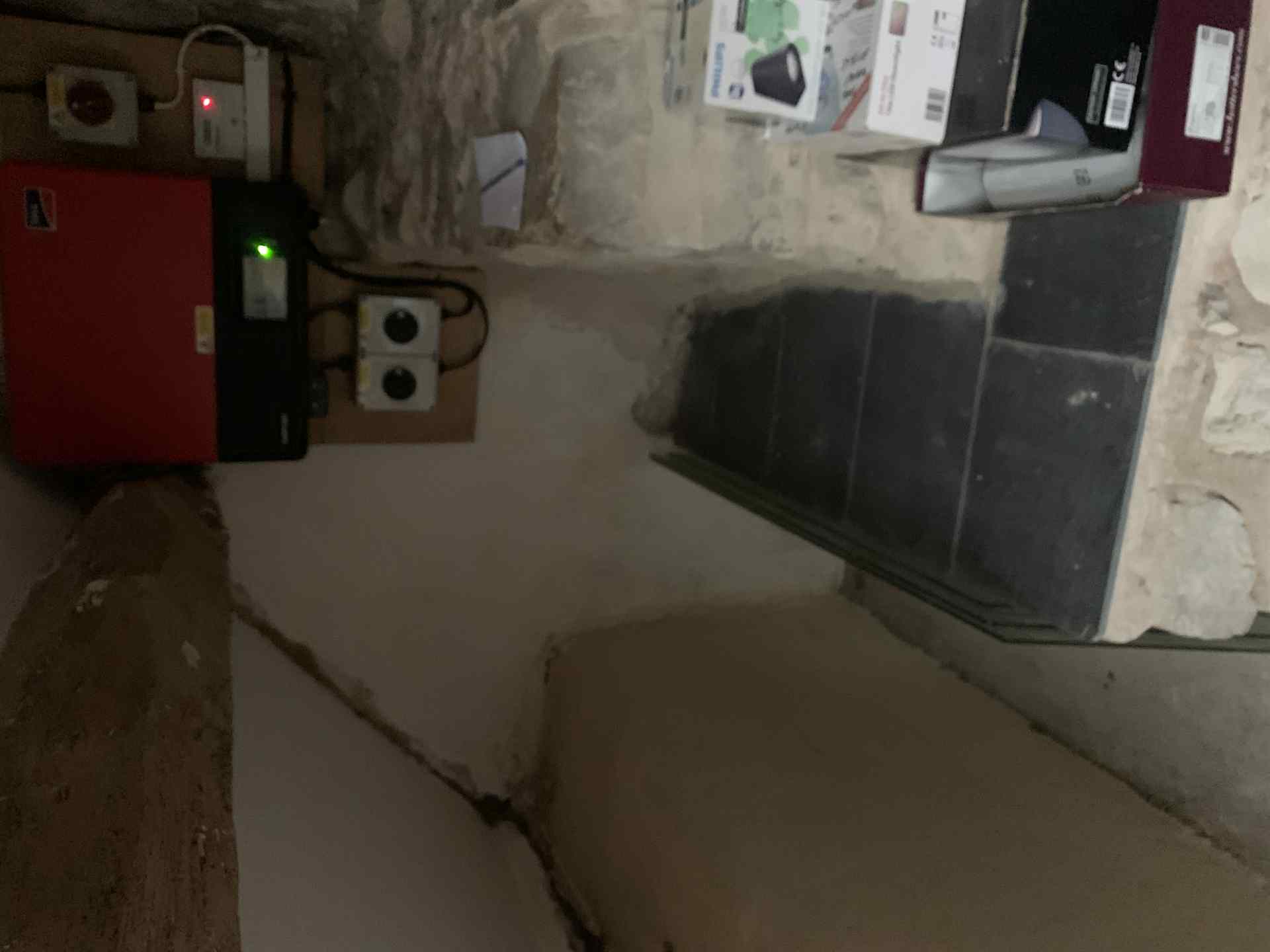
Existing inverter is SMA Sunny Boy installed 2011 - CLEARLY VISIBLE upper right of Picture 1.
works ok - for the PV .. via an L&G (Landis & Gyr) export meter.
Consumer units - well there are about 10 on the property. Dealing with lots of various electrical distributions
Pictures below
the main grid 'smart' meter is out in the upper barn.
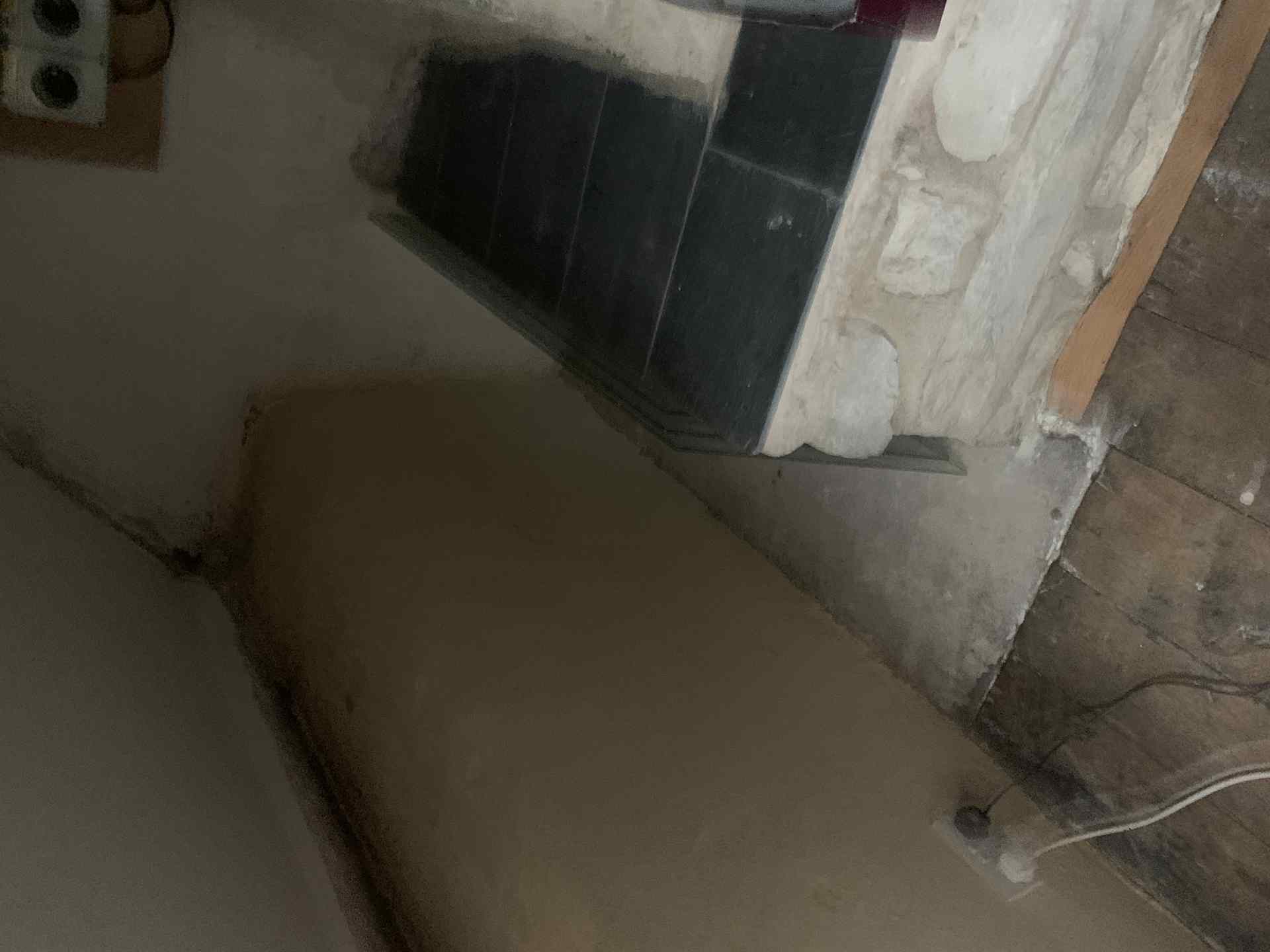
Picture 1 followed by Picture 2
Location: Would be easiest if all installed internally in the spare room.
That is where the existing PV and Inverter, switches, FIT meter etc are installed.
Obvious space is 1200 long, 800 high , and 450 deep. Other wall space below the existing inverter.
Specs seen are Inverter 545 w 485 h 175 deep wt 25kg
Batteries 490 w 675 h 90 deep wt 45kg
Some mixed reviews - several 1 star
https://uk.trustpilot.com/review/www.glowgreenltd.com
Early Stuff
A response to an Oxford Professor
A great field to be working and thinking in.
I too believe in a totally electric future with zero oil & gas. Storing electricity from when plentiful
to times less so,
dunkelflaute you use, a better English word is needed.
I’m sceptical of large grids.
No resilience during warfare. The ideal micro grid is at the single building level. Rooftop solar PV combined with batteries.
OLDER STUFF
Technically:
Lithium ion are fine for small devices (e.g. Phones). They do not scale well.
Search : sodium iron phosphate
Sodium iron phosphate, specifically NaFePO4, is a promising cathode material for sodium-ion batteries (SIBs).
It's known for its stable structure, long cycle life, and high theoretical capacity, making it a potential low-cost alternative to lithium-ion batteries.
NaFePO4 also offers advantages in terms of safety and cost-effectiveness due to its reliance on iron and strong olivine structure,
which provides excellent thermal and structural stability.
Here's a more detailed look:
Key Properties and Advantages:
Stable Structure:
NaFePO4, particularly in its olivine structure, offers good structural stability during charge and discharge cycles, contributing to a long cycle life.
High Capacity:
It has a high theoretical capacity for sodium storage, making it attractive for energy storage applications.
Cost-Effective:
NaFePO4 is considered more cost-effective than some alternatives due to its reliance on iron and the relatively low cost of raw materials.
Safety:
The strong olivine structure of NaFePO4 contributes to its thermal stability, making it a safer option for large-scale applications.
Environmentally Friendly:
It is considered an environmentally friendly cathode material.
Potential for Cold Regions:
Sodium-ion batteries using NaFePO4 may perform better in cold temperatures compared to some lithium-ion chemistries, not requiring heating or stopping charging at freezing temperatures, according to the DIY Solar Power Forum.
Potential Applications:
Sodium-Ion Batteries:
NaFePO4 is primarily studied as a cathode material for SIBs, which are considered a promising technology for large-scale energy storage.
Specialty Chemical Formulations:
It can also be used in other applications requiring advanced electrochemical properties.
Challenges and Research Directions:
Lower Conductivity:
NaFePO4 can have lower intrinsic conductivity compared to some other materials, which can affect its rate performance.
Unit Cell Volume Variation:
The large unit cell volume variation during cycling can also be a challenge.
Synthesis Methods:
Research is ongoing to develop efficient and low-cost synthesis methods for NaFePO4.
In summary, NaFePO4 is a promising cathode material for sodium-ion batteries, offering a combination of stability, high capacity, cost-effectiveness, and safety, with ongoing research focused on overcoming its limitations and optimizing its performance for various applications.
SEARCH iron phosphate battery vs lithium ion - a google AI result follows:
Both Iron Phosphate (LFP) and Lithium-ion batteries (Li-ion) are types of rechargeable lithium batteries, but they utilize different chemistries and thus offer different strengths and weaknesses.
Here's a comparison:
1. Energy density
Li-ion: Generally boasts a higher energy density, meaning more power packed into a smaller and lighter battery. This makes them ideal for applications like smartphones, laptops, and some electric vehicles where space and weight are critical factors.
LFP: Has a slightly lower energy density than Li-ion.
2. Safety and thermal stability
LFP: Known for superior safety and thermal stability due to its robust chemical structure, making it less prone to overheating and thermal runaway. This makes them suitable for high-power applications like electric vehicles, recreational vehicles, and energy storage systems where safety is a top priority.
Li-ion: While generally safe when properly installed and used, they can be more susceptible to thermal runaway and fire hazards if mistreated or damaged.
LiFePO4 (LFP) vs Lithium Ion Batteries: What’s the Best Choice for ...
Jul 28, 2025 — While they are similar in many ways, they also exhibit some glaring differences. * LiFePO4 (Lithium Iron Phosphate) Batteries. LiFePO4 batteries are a subtype o...
Favicon
Renew-Able Solutions
LiFePo4 vs. Lithium-Ion Batteries - How to Decide Which One You ...
Jul 10, 2023 — Lithium Ion. Lithium ion batteries have one of the highest energy density among any battery types. These batteries provide an energy density of about 100 Wh/kg ...
3. Lifespan and cycle life
LFP: Offers a significantly longer lifespan and cycle life (number of charge and discharge cycles before degradation) compared to typical Li-ion batteries. LFP batteries can last 4-5 times longer than Li-ion batteries, according to Eco Tree Lithium.
Li-ion: Have a shorter lifespan, typically ranging from 2-5 years, although some advanced Li-ion batteries can last up to 10 years.
4. Cost
LFP: While initially more expensive, the longer lifespan and lower risk of replacement can result in a lower total cost of ownership over time compared to Li-ion batteries. The raw materials used in LFP batteries (iron and phosphate) are also more abundant and less expensive than the cobalt used in some Li-ion batteries.
Li-ion: Tend to be more affordable upfront.
5. Charging and discharging
LFP: Can handle faster charging and discharging rates compared to Li-ion. They can also be discharged to a greater depth without significant damage.
Li-ion: While offering good power density, fast charging can cause degradation and reduce lifespan if not managed properly.
6. Environmental impact
LFP: Considered more environmentally friendly due to the use of non-toxic and readily available materials like iron and phosphate, avoiding the ethical and environmental concerns associated with cobalt mining in some Li-ion batteries.
Li-ion: The cobalt content in some formulations raises concerns about environmental degradation and labor practices in mining operations.
7. Applications
LFP: Ideal for applications prioritizing safety, longevity, and cost-effectiveness, such as solar energy storage, backup power systems, recreational vehicles, and electric buses.
Li-ion: Preferred for applications where high energy density and compact size are crucial, such as smartphones, laptops, and electric vehicles where extended range is desired.
In conclusion
The best choice between LFP and Li-ion depends on the specific needs of the application.
LFP excels in safety, lifespan, and overall value, while Li-ion offers a higher energy density for compact and lightweight power solutions.